


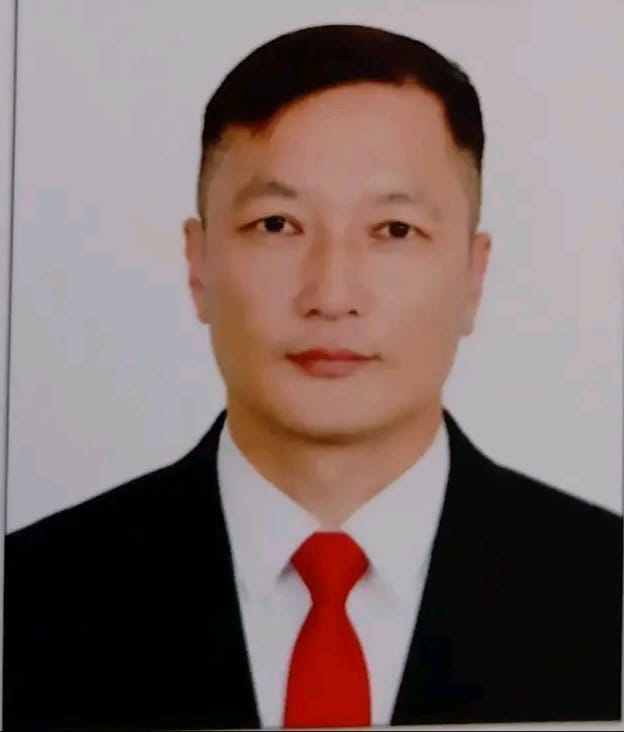
Federal President
Mr. Devidatta Acharya champions disability rights and social justice as the Federal President of NFDN. Concentrated on elevating local inclusive planning and revitalizing rehabilitation services, he has orchestrated nationwide campaigns to bolster the legal standing and socio-economic integration of the disability community.
Renowned for his visionary guidance and mastery of inclusive governance, he ensures the needs of persons with disabilities are woven into the fabric of national policy. This term marks his second tenure as Federal President, following a fruitful leadership role in Lumbini Province, totaling over 20 years of specialized service. An academic enthusiast, Mr. Acharya possesses a Master’s in Sociology alongside degrees in Law, Management, and Education. Outside his professional duties, he is frequently engaged in community outreach and mentoring the next generation of activists.
“I am dedicated to uprooting partisan political influence from our movement, ensuring that NFDN remains a pure, mission-driven force where rights and dignity always come before political agendas.”
Senior Vice President
Mr. Ammar Gurung channels his specialized expertise in physical accessibility and institutional management into his leadership role as Senior Vice President. Deeply dedicated to fortifying the operational capacity of disability organizations, he has pioneered vital advocacy for barrier-free environments to enhance the personal autonomy and independence of persons with physical impairments across the nation. His strategic focus ensures that universal design remains a priority in Nepal’s evolving infrastructure, creating more inclusive spaces for everyone.
A veteran of the rights-based movement, he works tirelessly to ensure that federal mandates are effectively implemented at the grassroots level. Beyond his administrative functions, Mr. Gurung serves as a dedicated legal practitioner in the courts and frequently facilitates regional policy dialogues. His multifaceted background allows him to advocate for both infrastructural inclusion and legal empowerment with equal passion.
“I am devoted to ensuring federal policies translate into local empowerment by lobbying for accessible infrastructure and the robust legal protection of all persons with disabilities.”
Women Vice-President
Ms. Shova Karki infuses the NFDN leadership with a profound focus on neurodiversity and parental support in her capacity as Women Vice President. Primarily concerned with advancing inclusive schooling and early-age interventions, she has directed nationwide awareness programs for autism and developmental conditions to foster greater social empathy. Her work bridges the gap between policy and practice, ensuring that children with intellectual disabilities receive the foundational support required for long-term success.
Distinguished for her compassionate approach, she serves as a vital voice for families in high-level national strategy sessions. Her efforts highlight the urgent necessity of community-centered rehabilitation, tailored care, and specialized support systems. Through her relentless advocacy, she continues to break down social barriers and build a more inclusive, nurturing environment for all women and children with disabilities across the country. “I am pledged to ensuring that legal rights are not merely ink on paper, but are actively enforced through resolute institutional integrity and accessible justice for every citizen.”

Mr. Kumar Regmi brings a specialized focus on linguistic accessibility and Sign Language rights to his high-level office as Federal General Secretary. Dedicated to dismantling systemic hurdles for the Deaf community, he has launched various initiatives to improve representation in national decision-making. By advocating for the institutional recognition of Sign Language, he ensures that communication barriers are removed, allowing the Deaf and hard-of-hearing community to participate fully in civic life and exercise their fundamental human rights.
An expert in Sign Language Instruction (SLI) with over 25 years of experience, he provides high-level guidance on Inclusive Disaster Risk Reduction (DRR) and climate resilience. His extensive background includes serving as Federal Treasurer and President of the National Association of the Deaf and Hard of Hearing (NADH). Fluent in NSL and ASL, he also contributes to vital academic research at Tribhuvan University. Through his leadership, he continues to champion a more inclusive, communicative, and disaster-resilient future for all.
“I am resolved to building a barrier-free society through tireless advocacy for linguistic rights and the comprehensive empowerment of the Deaf and hard-of-hearing community.”
Secretary
Mr. Asbin Lamsal focuses on digital inclusion and visual accessibility in his vital role as Federal Secretary. He has successfully managed several innovative projects aimed at creating accessible information technology and academic materials to expand career horizons for persons with visual impairments across Nepal. By focusing on the intersection of technology and disability rights, he ensures that the blind and low-vision community can navigate the modern world with greater ease and professional confidence.
A vocal proponent of assistive technology, he works tirelessly to close the digital divide and ensure an equitable flow of information for all citizens. His administrative leadership involves refining communication strategies and technical documentation for over 400 member organizations within the federation. Often found exploring the latest software solutions for the blind, Mr. Through his strategic leadership, he continues to champion the digital rights of marginalized communities, fostering a future where technology serves as a universal tool for empowerment.
“I am focused on ensuring that every individual with a visual impairment possesses the technological resources and tools necessary to live an autonomous, empowered life.”

Central Women Rep.Brd Member
Ms. Mira Tamang highlights gender equity and social justice as the Representative of Women with Disabilities. Her work targets the eradication of Gender-Based Violence (GBV) and the elevation of women’s voices within the movement. With over a decade of experience and a background as a GEDSI specialist, she ensures that the unique hurdles faced by women are addressed in human rights frameworks. She is a powerful advocate for those at the intersection of gender and disability, pushing for inclusive policies that protect the most vulnerable.
As a certified trainer in GBV prevention, she has led numerous workshops on both national and international stages, sharing vital strategies for safety and empowerment. Currently finishing her Bachelor degree in Social Science and Gender Studies, she balances her academic rigor with grassroots activism and mentoring young survivors. Her leadership serves as a beacon for women striving for independence and social recognition throughout Nepal’s diverse communities.
“I am dedicated to cultivating a safe, inclusive movement where women with disabilities can lead with honor, free from both violence and political manipulation.”

Ms. Sunita Thapa is a highly qualified advocate and Law Specialist, holding a Master’s in Sociology and a Bachelor in Law (LLB). With over two decades of experience, she serves as a Central Board Member, bringing a powerful intersectional lens to the federation. Her diverse background spans board leadership roles at the Nepal Disabled Women Association and the Youth Disability Skill Development Center, where she has focused on capacity building and specialized skill acquisition for marginalized groups.
A pioneer in inclusive media, Ms. Thapa served as a Radio Journalist for ten years, producing programs like Hamro Aawaj to amplify the voices of persons with disabilities. She is a seasoned Master Trainer (ToT) in gender equality and legal awareness, dedicated to the protection and empowerment of women. Her contributions to freelance research on media coverage and social issues further underscore her commitment to evidence-based advocacy and institutional reform.
“I am dedicated to ensuring that the rights of all persons with disabilities are firmly established and protected across every corner of Nepal.”
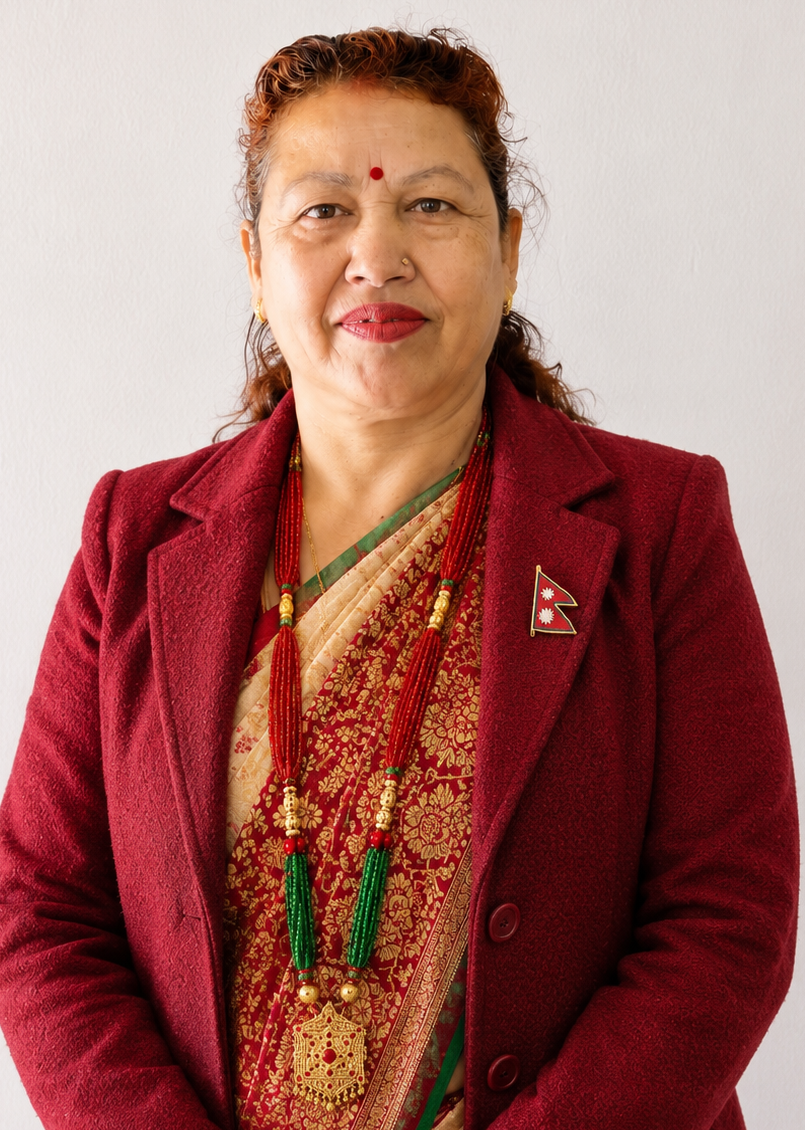
Laxmi Kumari Luitel Kafle is a veteran social worker with over 30 years of extensive experience advancing the rights of women and persons with disabilities across Nepal. As a dedicated Central Board Member, she utilizes her specialized expertise as a CRPD Training of Trainers (ToT) professional to shape national strategies and local implementation. Her deep understanding of international frameworks allows her to advocate for systemic change with both professional rigor and grassroots empathy.
Her vision involves transforming NFDN into a more participatory, transparent, and inclusive body that serves its diverse membership effectively. She is a fervent defender of equal rights, with a specific focus on ensuring children with disabilities have equitable access to quality education, essential medical care, and social activities. Her long-standing career is built on the firm foundation of community empowerment and the practical application of universal design.
“I am dedicated to ensuring that the rights of all persons with disabilities are firmly established and protected across every corner of Nepal.”

Mr. Ramesh Pokharel directs his focused expertise toward ethical oversight and legal compliance as the Coordinator of the Disciplinary Commission. Committed to fostering transparency, he has conducted rigorous internal policy audits to ensure NFDN remains firmly aligned with its constitutional values and organizational honesty. By reinforcing the structural integrity of the federation, he ensures that the voices of the disability community are backed by a transparent and reliable administration.
Recognized for his principled stance and comprehensive grasp of disability legislation, he protects the rights of members while maintaining high standards of conduct across the board. A prominent figure within the blind community, he formerly presided over the Nepal Association of the Blind (NAB), where he successfully secured inclusive civil service testing standards. He provides essential monitoring of labor rights and social equity. His leadership guarantees that the federation operates as a beacon of accountability, upholding the rights of every person with a disability.
“I am steadfast in upholding the federation’s core values through ethical stewardship and principled governance to guarantee accountability within our collective movement.”

Central Board Member
Mr. Jhamka Prasad Gautam emphasizes the power of research and academic rigor in his vital contributions as a Central Member. By integrating inclusive education data into advocacy models, he strives to enhance learning quality and accessibility for students with disabilities across Nepal. His work focuses on transforming traditional educational frameworks into adaptive systems that cater to diverse learning needs, ensuring that no student is left behind. Through data-driven insights, he provides a solid foundation for the federation’s national-level policy recommendations.
Known for his intellectual contributions and expertise in pedagogy, he is currently pursuing a PhD to strengthen the movement’s evidence-based strategies. With two decades of service in the disability sector, he remains a consistent voice for structural educational reform and systemic inclusion. When away from his official duties, he is often found contributing to academic literature or guiding junior researchers. His scholarly pursuit continues to elevate the federation’s advocacy efforts.
“I believe that unwavering persistence in the pursuit of rights and equitable opportunities is the ultimate catalyst for lasting social success.”

Central Board Member
Ms. Januka Roka is a dedicated grassroots advocate serving as a Central Member, driven by a lifelong passion for the disability sector. Her work centers on direct service delivery and the strengthening of local support systems that significantly improve the daily well-being of the community. By acting as a vital link between the federation and local residents, she ensures that national initiatives are translated into practical benefits for individuals at the neighborhood level. Her focus remains on accessibility and making sure that essential services reach those living in the most remote areas.
With ten years of frontline experience, she has cultivated a deep understanding of the real-world challenges facing persons with disabilities. Her approach is defined by sincere community engagement and personal connection. Holding a higher secondary education, she is frequently seen providing hands-on assistance to individuals and their families. Through her compassionate leadership, she continues to foster an environment of dignity and inclusion.
“I am pledged to serving and uplifting persons with disabilities to ensure that every individual can experience a life defined by dignity and self-reliance.”
Share this post:


