
Federal President
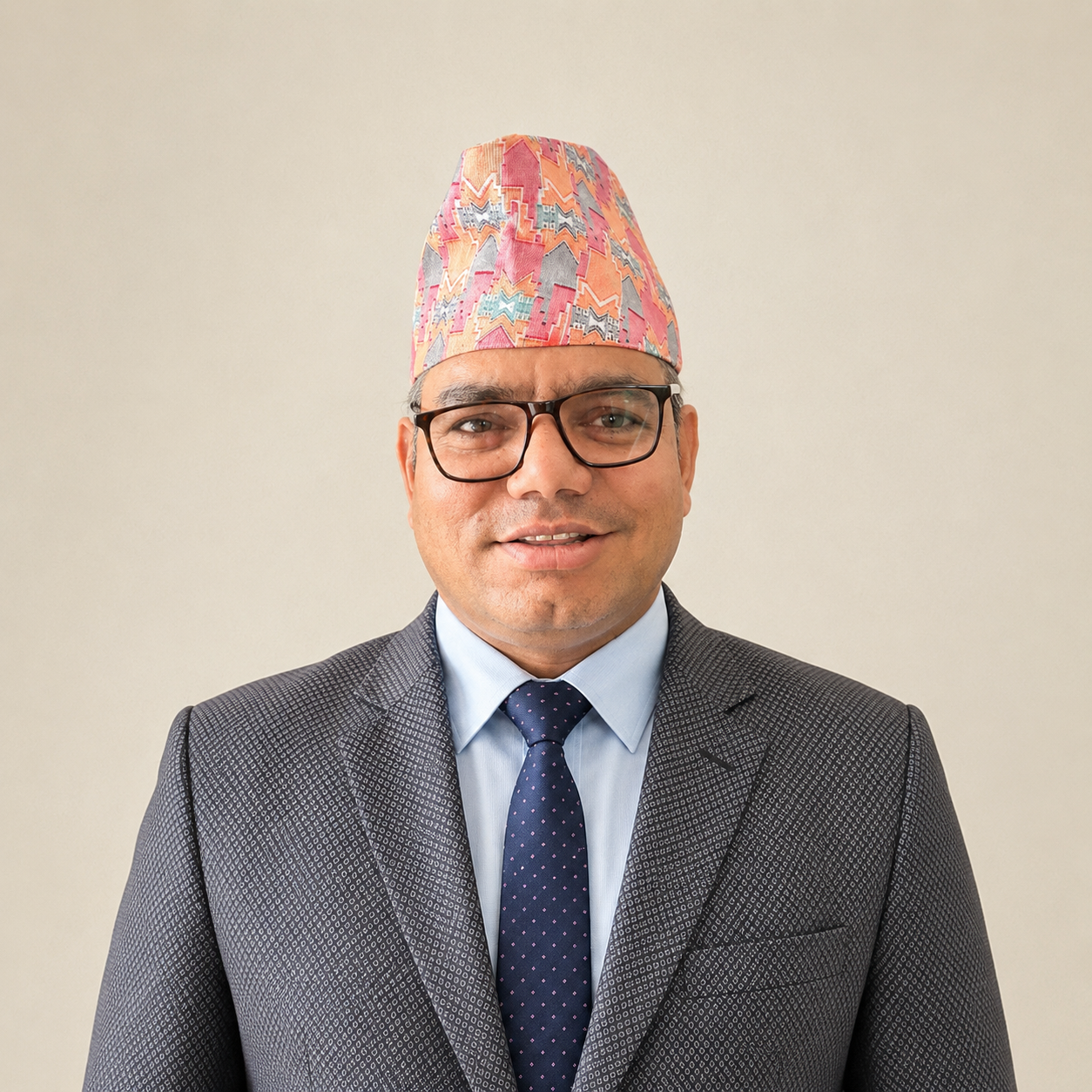
Devidatta Acharya, President
Mr. Devidatta Acharya champions disability rights and social justice as the Federal President of NFDN. Concentrated on elevating local inclusive planning and revitalizing rehabilitation services, he has orchestrated nationwide campaigns to bolster the legal standing and socio-economic integration of the disability community.
Renowned for his visionary guidance and mastery of inclusive governance, he ensures the needs of persons with disabilities are woven into the fabric of national policy. This term marks his second tenure as Federal President, following a fruitful leadership role in Lumbini Province, totaling over 18 years of specialized service. An academic enthusiast, Mr. Acharya possesses a Master’s in Sociology alongside degrees in Law, Management, and Education. Outside his professional duties, he is frequently engaged in community outreach and mentoring the next generation of activists.
“I am dedicated to uprooting partisan political influence from our movement, ensuring that NFDN remains a pure, mission-driven force where rights and dignity always come before political agendas.”
Senior Vice President
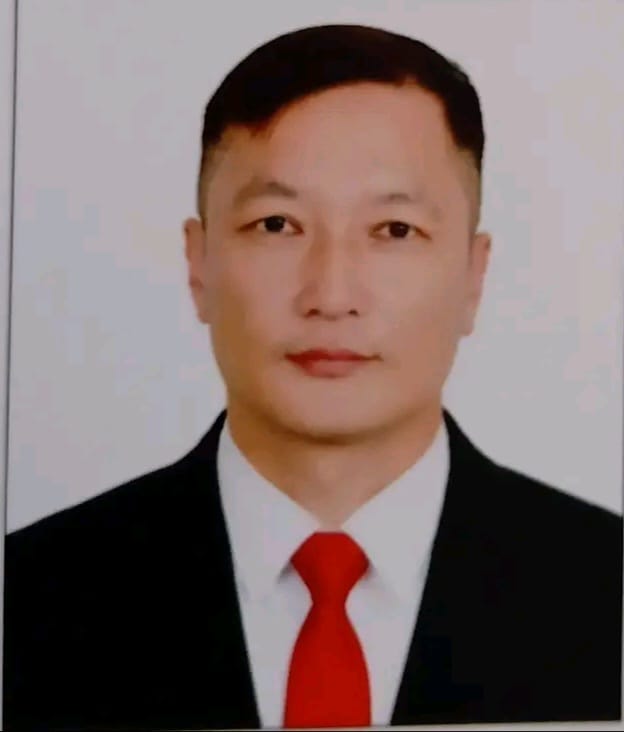
Ammar Gurung, Senior Vice President
Mr. Ammar Gurung channels his specialized expertise in physical accessibility and institutional management into his leadership role as Senior Vice President. Deeply dedicated to fortifying the operational capacity of disability organizations, he has pioneered vital advocacy for barrier-free environments to enhance the personal autonomy and independence of persons with physical impairments across the nation.
A veteran of the rights-based movement, he works tirelessly to ensure that federal mandates are effectively implemented at the grassroots level. As a seasoned executive, he bridges the communication gap between provincial chapters and the central board, ensuring a unified voice for the federation. His multifaceted background allows him to advocate for both infrastructural inclusion and legal empowerment with equal passion and professional rigor. “I am devoted to ensuring federal policies translate into local empowerment by lobbying for accessible infrastructure and robust legal protection for all.”
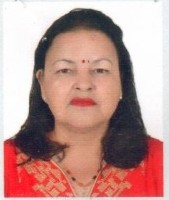
Women Vice-President
Shova Karki, Women Vice -President
Ms. Shova Karki infuses the NFDN leadership with a profound focus on neurodiversity and parental support in her capacity as Vice President. Primarily concerned with advancing inclusive schooling and early-age interventions, she has directed nationwide awareness programs for autism and developmental conditions to foster greater social empathy. Her work bridges the gap between policy and practice, ensuring that children with intellectual disabilities receive the foundational support required for long-term success.
Distinguished for her compassionate approach, she serves as a vital voice for families in high-level national strategy sessions. Her efforts highlight the urgent necessity of community-centered rehabilitation, tailored care, and specialized support systems. Through her relentless advocacy, she continues to break down social barriers and build a more inclusive, nurturing environment for all.
“I am pledged to ensuring that legal rights are not merely ink on paper, but are actively enforced through resolute institutional integrity and accessible justice for every citizen.”
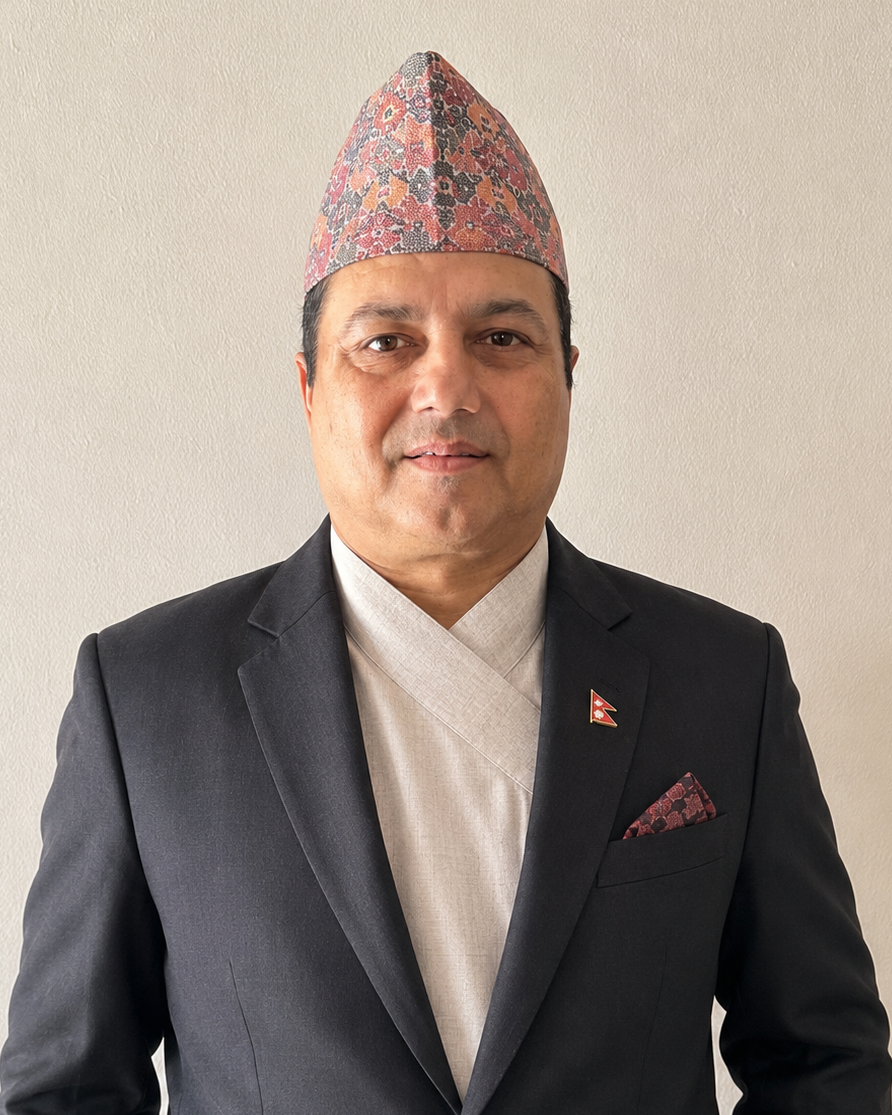
General Secretary
Mr. Kumar Regmi brings a specialized focus on linguistic accessibility and Sign Language rights to the office of Federal General Secretary. Dedicated to dismantling systemic hurdles for the Deaf community, he has launched various initiatives to improve representation in national decision-making. His leadership ensures that communication barriers are addressed as a fundamental human right within state policy and organizational frameworks.
An expert in Sign Language Instruction (SLI) with over 25 years in the sector, he provides high-level guidance on Inclusive Disaster Risk Reduction (DRR) and climate resilience. His extensive background includes serving as Federal Treasurer and President of the National Association of the Deaf and Hard of Hearing (NADH). Fluent in NSL and ASL, he contributes to academic research at Tribhuvan University. In his leisure time, he enjoys football and competitive chess, balancing his advocacy with personal interests.
“I am resolved to building a barrier-free society through tireless advocacy for linguistic rights and the comprehensive empowerment of the Deaf and hard-of-hearing community.”
Secretary
Mr. Asbin Lamsal focuses on digital inclusion and visual accessibility in his vital role as Federal Secretary. He has successfully managed several innovative projects aimed at creating accessible information technology and academic materials to expand career horizons for persons with visual impairments across Nepal. By focusing on the intersection of technology and disability rights, he ensures that the blind and low-vision community can navigate the modern world with greater ease and professional confidence.
A vocal proponent of assistive technology, he works tirelessly to close the digital divide and ensure an equitable flow of information for all citizens. His administrative leadership involves refining communication strategies and technical documentation for over 400 member organizations within the federation. Often found exploring the latest software solutions for the blind, Mr. Lamsal is a dedicated advocate for inclusive literacy and independent living.
“I am focused on ensuring that every individual with a visual impairment possesses the technological resources and tools necessary to live an autonomous, empowered life.”
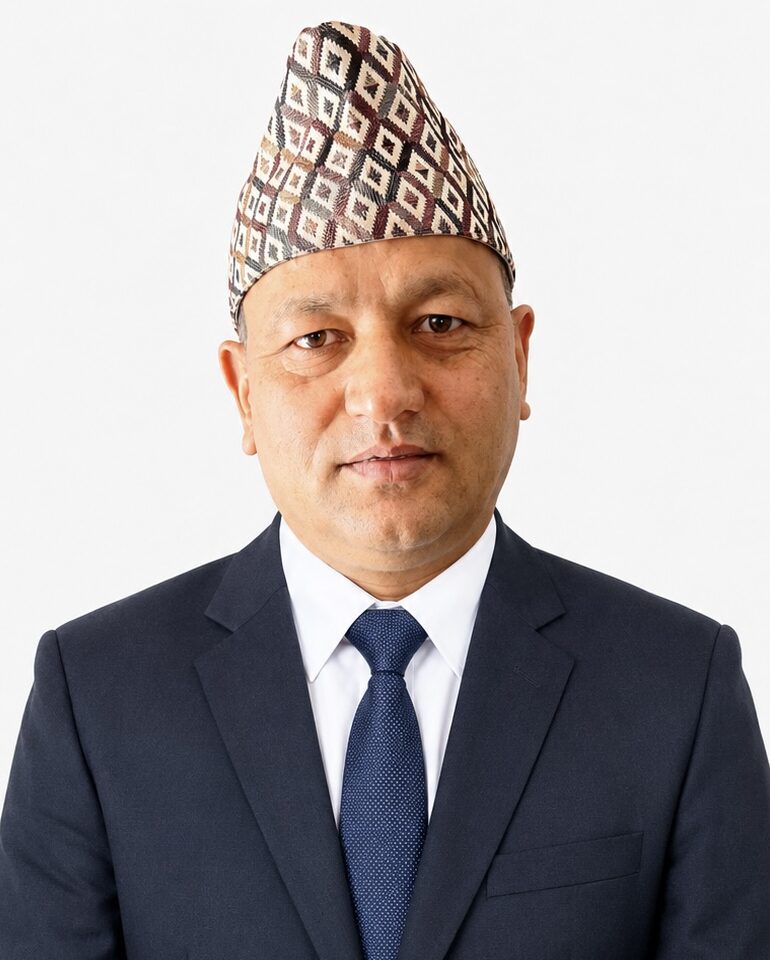
Mr. Ramesh Kumar Basnet applies his extensive background in autism advocacy and peace-building to his vital responsibilities as Federal Treasurer at NFDN. He has pioneered innovative resource center models specifically designed to improve the socio-economic status and early intervention services for neurodivergent children across the nation.
An expert facilitator, he strives to create a respectful environment where the government actively hears the unique perspectives of those with intellectual disabilities. He currently presides over the National Autism Care Center Society Nepal (NACCSN) and brings 16 years of professional experience in conflict resolution and disaster risk management. Holding a Master’s degree in Political Science, Mr. Basnet is frequently found networking for systemic policy reform or hosting compassionate engagement sessions for families. His leadership bridges the gap between grassroots needs and national-level fiscal planning.
“I am committed to eliminating political bias from our organization, ensuring NFDN functions as a mission-oriented entity where the dignity of our members remains the absolute priority.”
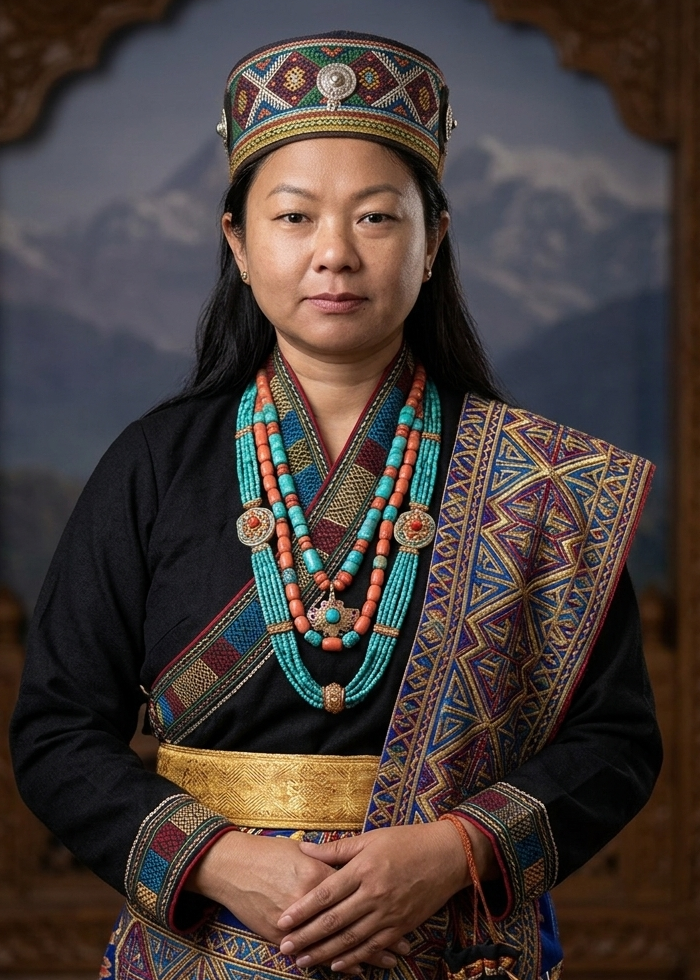
Ms. Mira Tamang highlights gender equity and social justice as the Representative of Women with Disabilities. Her work targets the eradication of Gender-Based Violence (GBV) and the elevation of women’s voices within the movement. With over a decade of experience and a background as a GEDSI specialist, she ensures that the unique hurdles faced by women are addressed in human rights frameworks. She is a powerful advocate for those at the intersection of gender and disability, pushing for inclusive policies that protect the most vulnerable.
As a certified trainer in GBV prevention, she has led numerous workshops on both national and international stages, sharing vital strategies for safety and empowerment. Currently finishing her degree in Social Science and Gender Studies, she balances her academic rigor with grassroots activism and mentoring young survivors. Her leadership serves as a beacon for women striving for independence and social recognition throughout Nepal’s diverse communities.
“I am dedicated to cultivating a safe, inclusive movement where women with disabilities can lead with honor, free from both violence and political manipulation.”
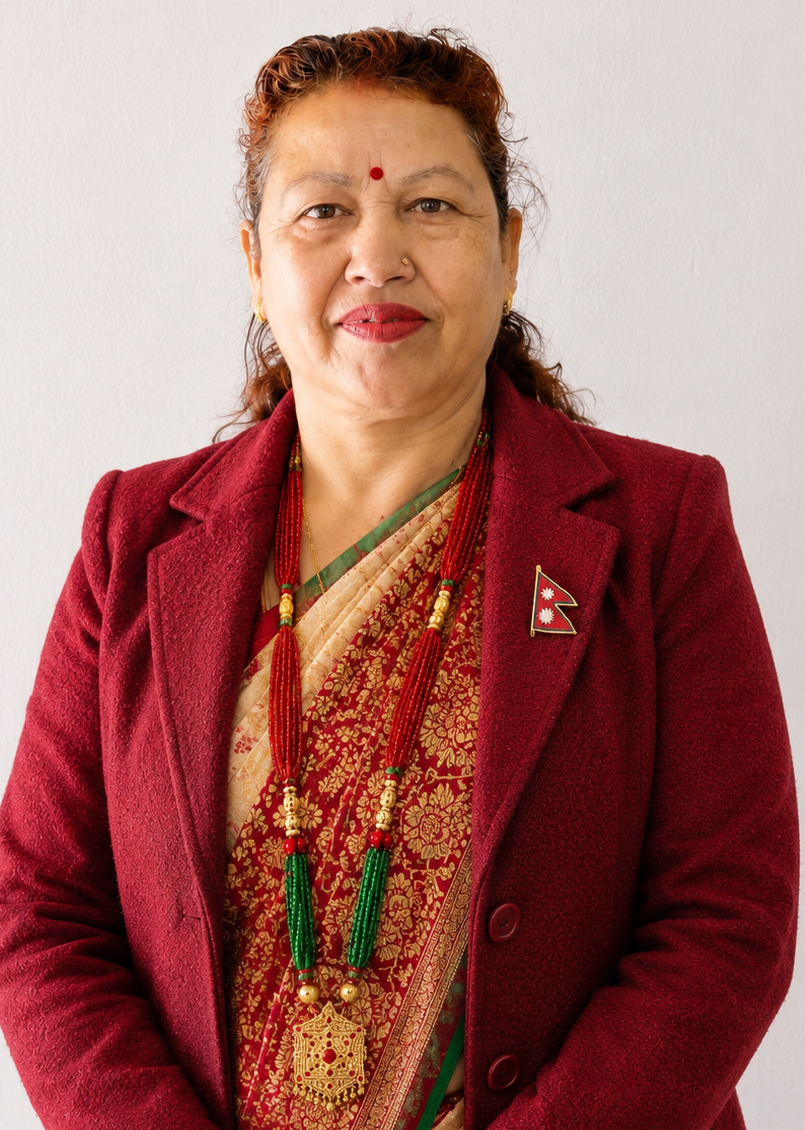
Laxmi Kumari Luitel Kafle is a veteran social worker with over 30 years of extensive experience advancing the rights of women and persons with disabilities across Nepal. As a dedicated Central Board Member, she utilizes her specialized expertise as a CRPD Training of Trainers (ToT) professional to shape national strategies and local implementation. Her deep understanding of international frameworks allows her to advocate for systemic change with both professional rigor and grassroots empathy.
Her vision involves transforming NFDN into a more participatory, transparent, and inclusive body that serves its diverse membership effectively. She is a fervent defender of equal rights, with a specific focus on ensuring children with disabilities have equitable access to quality education, essential medical care, and social activities. Her long-standing career is built on the firm foundation of community empowerment and the practical application of universal design. Through her leadership, she continues to inspire a new generation of disability rights activists.
“I am dedicated to ensuring that the rights of all persons with disabilities are firmly established and protected across every corner of Nepal.”
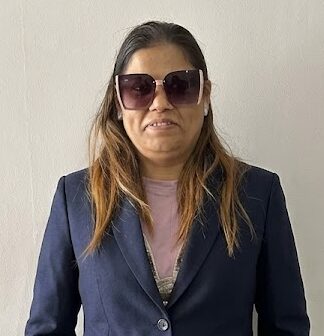
Ms. Sunita Thapa is a highly qualified advocate and Law Specialist, holding a Master’s in Sociology and a Bachelor in Law (LLB). With over two decades of experience, she serves as a Central Board Member, bringing a powerful intersectional lens to the federation. Her diverse background spans board leadership roles at the Nepal Disabled Women Association and the Youth Disability Skill Development Center, where she has focused on capacity building and specialized skill acquisition for marginalized groups.
A pioneer in inclusive media, Ms. Thapa served as a Radio Journalist for ten years, producing programs like Hamro Aawaj to amplify the voices of persons with disabilities. She is a seasoned Master Trainer (ToT) in gender equality and legal awareness, dedicated to the protection and empowerment of women. Her contributions to freelance research on media coverage and social issues further underscore her commitment to evidence-based advocacy and institutional reform.
“I am dedicated to ensuring that the rights of all persons with disabilities are firmly established and protected across every corner of Nepal.”
Share this post:


